See the results
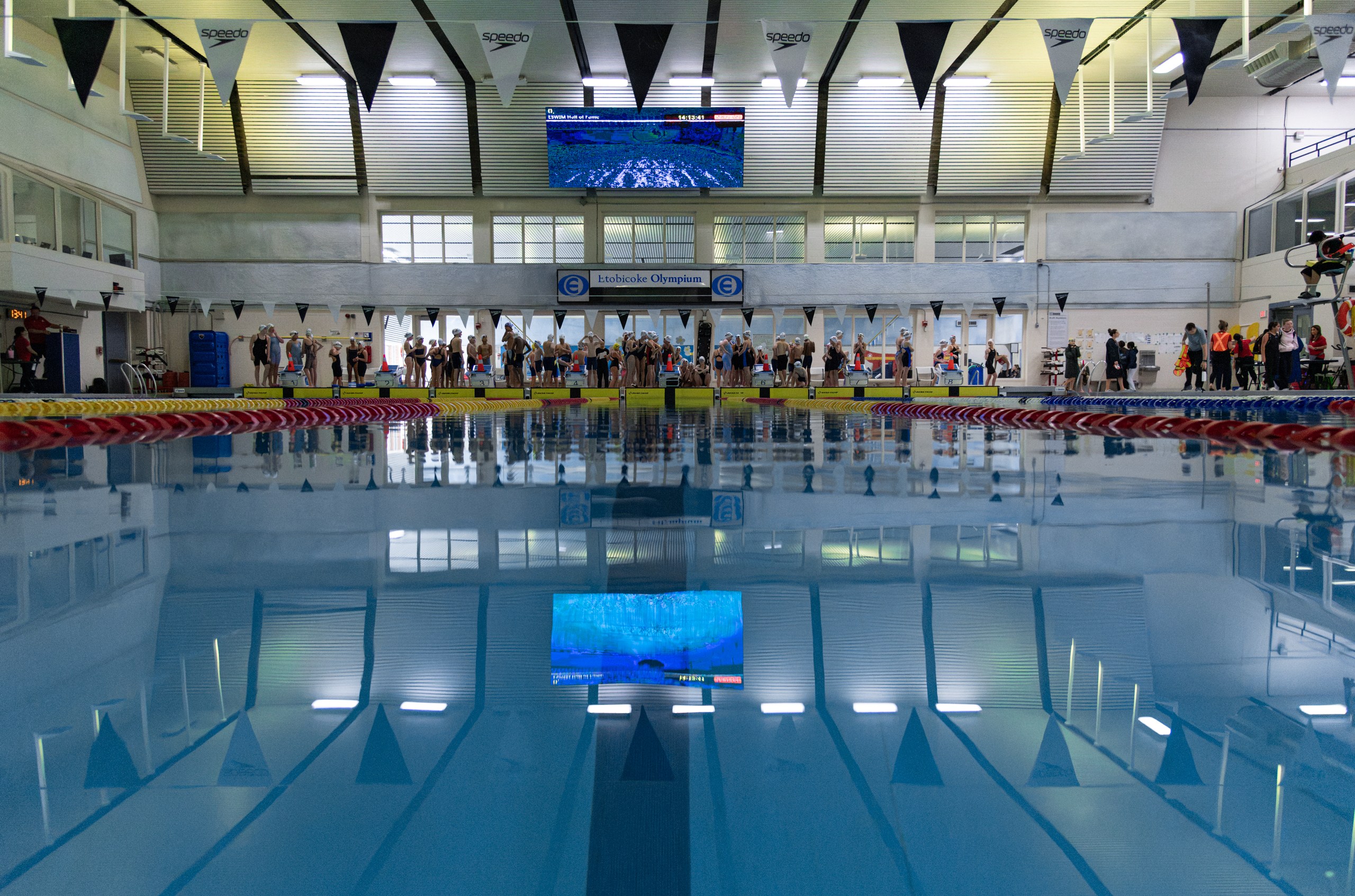
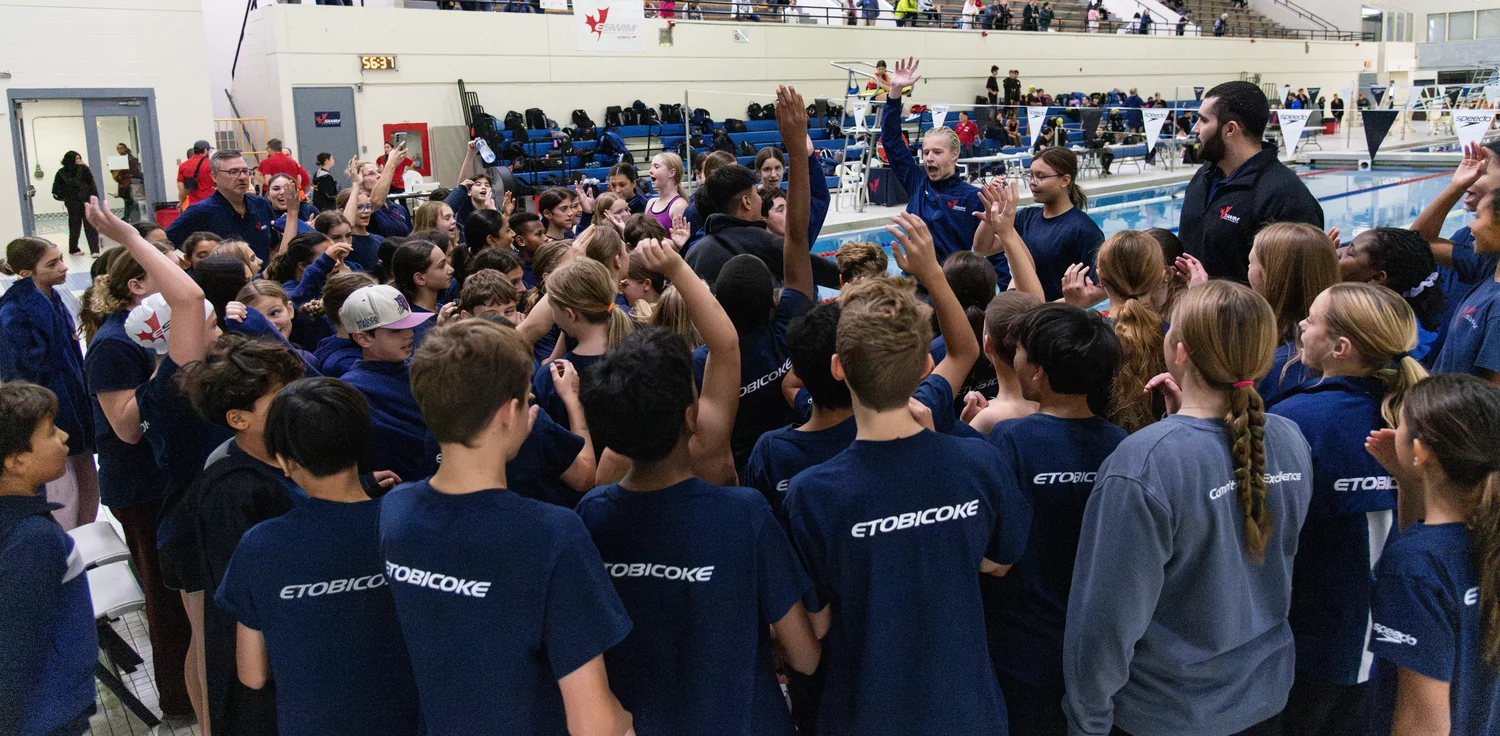
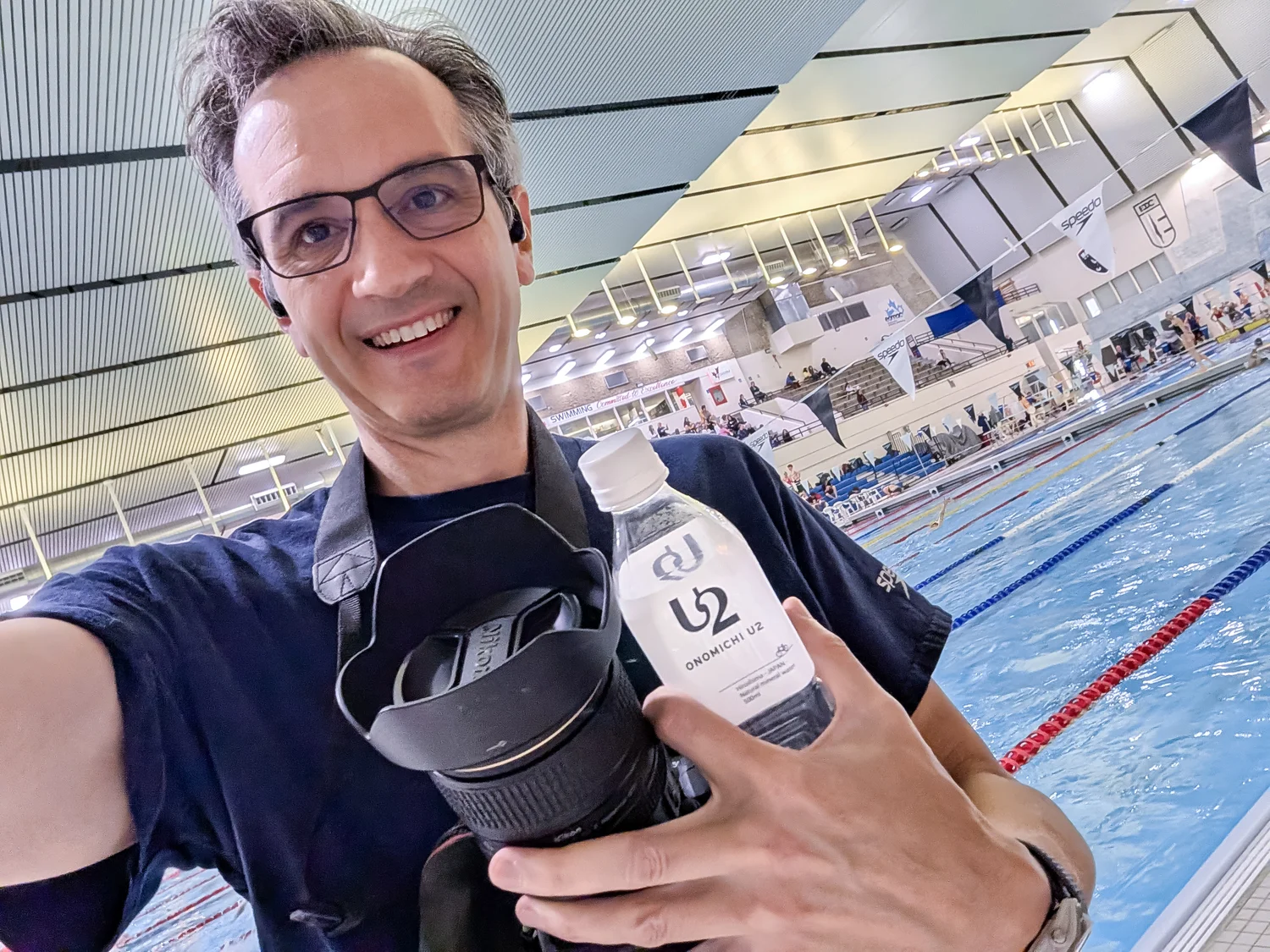
On Saturday I spent about ten and a half hours on a pool deck with my trusty DSLR and an agent friend in my ear, photographing my son’s swim club, as I have in the past.
I do it to support the club, and because I love the assignment: power, camaraderie, deck texture, and the beginning of a season.
This time I found new ways to have technology support me before, during and after. At the last meet, in June, it was a photographer’s assistant. These past weeks, I realized it had become a photographer’s partner.
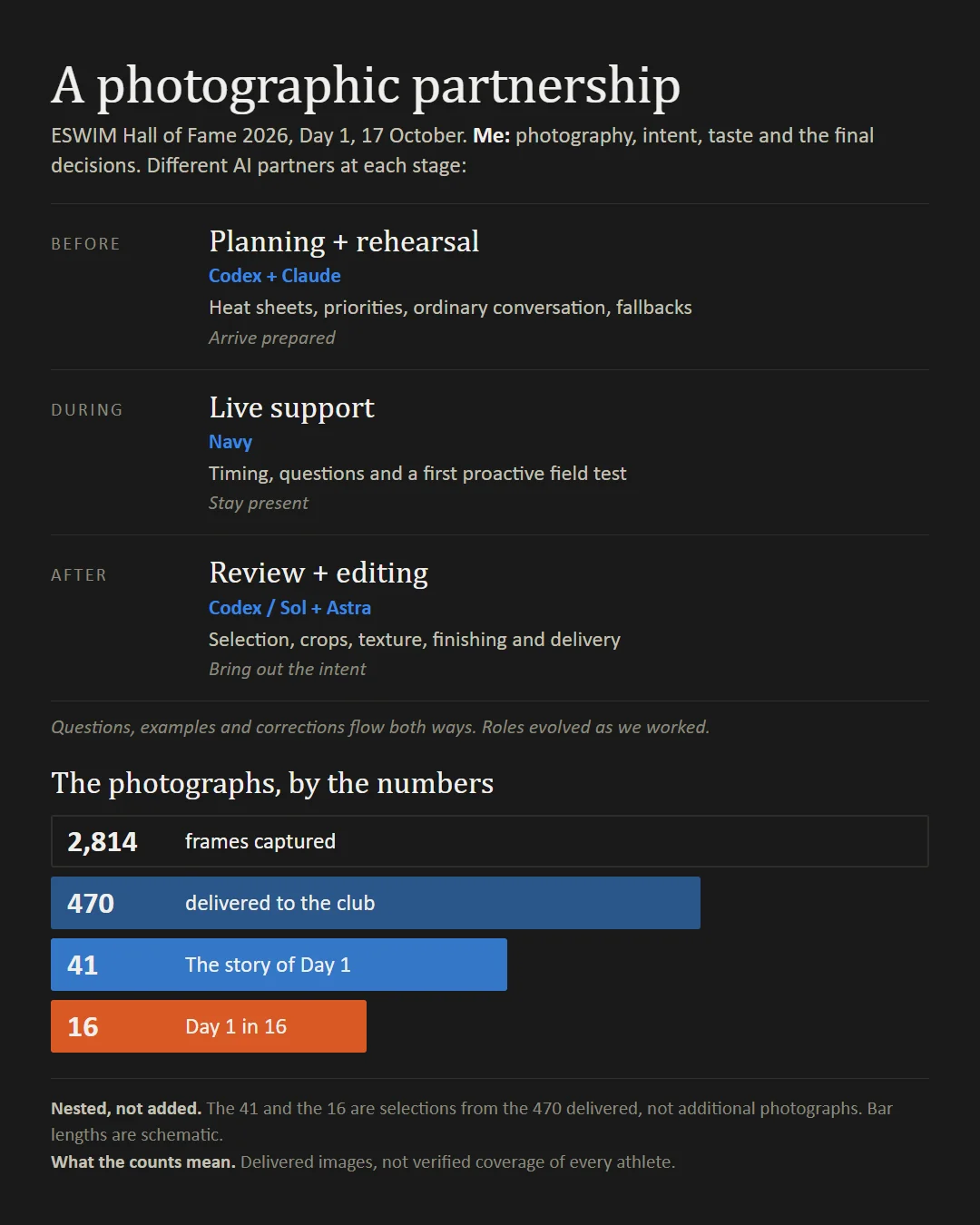
We delivered 470 photographs to the club, including the story of Day 1 in 41 images.
The short version:
- Before: rehearsing the meet with an agent amplified my presence and serendipity on the day.
- During: offhand remarks on deck became the context needed during the edit.
- After: telling the agents what a photograph is about, the “why bother”, beat telling them which sliders to move.
- Since: model taste turned out to be worth partnering with, and model-specific, so I’m giving it more room.
Before: planning for serendipity
Inspired by our Japan trip, I wanted to do the planning that would let me be more present when I got there. I also wanted to be useful across the club, looking for strong photographs while giving as many swimmers as possible something to take home.
We worked through a tabletop exercise using the actual meet. Codex played Navy, my personal assistant, and we rehearsed heat questions, position changes, missed moments and breaks.
One useful result was getting clear about how I actually talk on deck. I wasn’t going to give tidy reports on deck or remember to say “save this.” An offhand remark like “missed the start, got the reaction” had to be saved as two different facts. An informal comment that something looked promising needed to survive until the editing phase. We rehearsed messy remarks and later updates, then checked that Navy had actually saved them.
Testing in the production environment, creative edition: the night before, I found myself encouraging Claude (twice) to give some experimental proactivity features one last try, willing to accept the fallback of conversational help and an on-deck cheat sheet.
During: being more present
Navy is a personal assistant I’m building with frenkit. Part of that work explores how an agent’s understanding of timing can make proactive help useful, not nagging. A swim meet was a first field test for “event mode”: an occasion where more assertive support, grounded in planning, might be welcome.
There were rough edges in delivery and timing. My rough assessment was 6.5–7 out of ten for the experience, with results that felt more like an 8 or 8.5. Two-way hands-free communication is something I’m excited to improve for round two.
The biggest challenge I still have is trying to be a completionist. When there was action in both the deep and shallow ends of the pool, I found myself trying to go both ways and get all the swimmers: chasing two rabbits, risking catching neither. My better choice is to stay focused, maximizing my chances to get into an excellent spot and shoot a keeper that an athlete and their family will be proud of.
For me, the joy is being there: putting myself in position, noticing a moment and making the photograph. The partnership helped me do more of that, then carried into the edit as we worked to bring out what I saw.
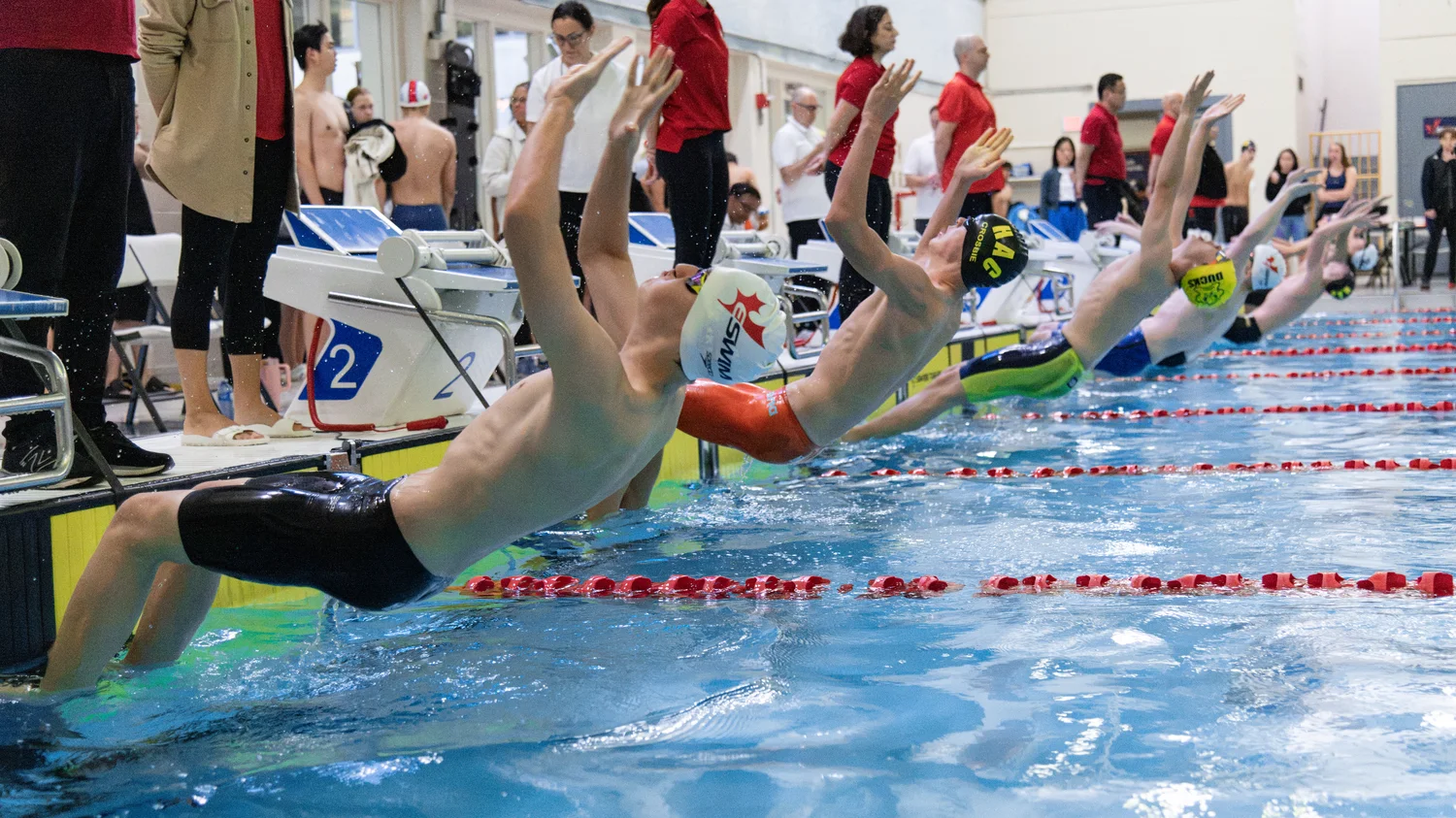
One of my favourite moments wasn’t in the plan. On deck, an official told me about a photographer who brought a yoga mat so they could get right on the ground and photograph swimmers rising out of the water. I had no mat, so I improvised and sacrificed my knees. A few of those frames, with the Canada flag behind the swimmers, made the final 16. Note to self: next meet, pack mat.
After: editing in partnership
Then came the FieldWork and Lightroom funnel. FieldWork is a review framework I’m building. For this meet, it gave me a way to choose, compare and comment on photographs while keeping those decisions connected to the frames.
We worked through 2,814 shots, looking for the strongest moments within bursts. Initial agent review, my selection, and our conversations about crops and finishing developed over several passes. About 16 representative crop examples, a calibration set rather than the final “Day 1 in 16”, helped us articulate taste.
That creative conversation was new for me. A powerful butterfly photograph might want a close crop. Camaraderie might need the people around the swimmer. What the photograph is about flows into the crop, the level and the finishing.
One actual crop conversation
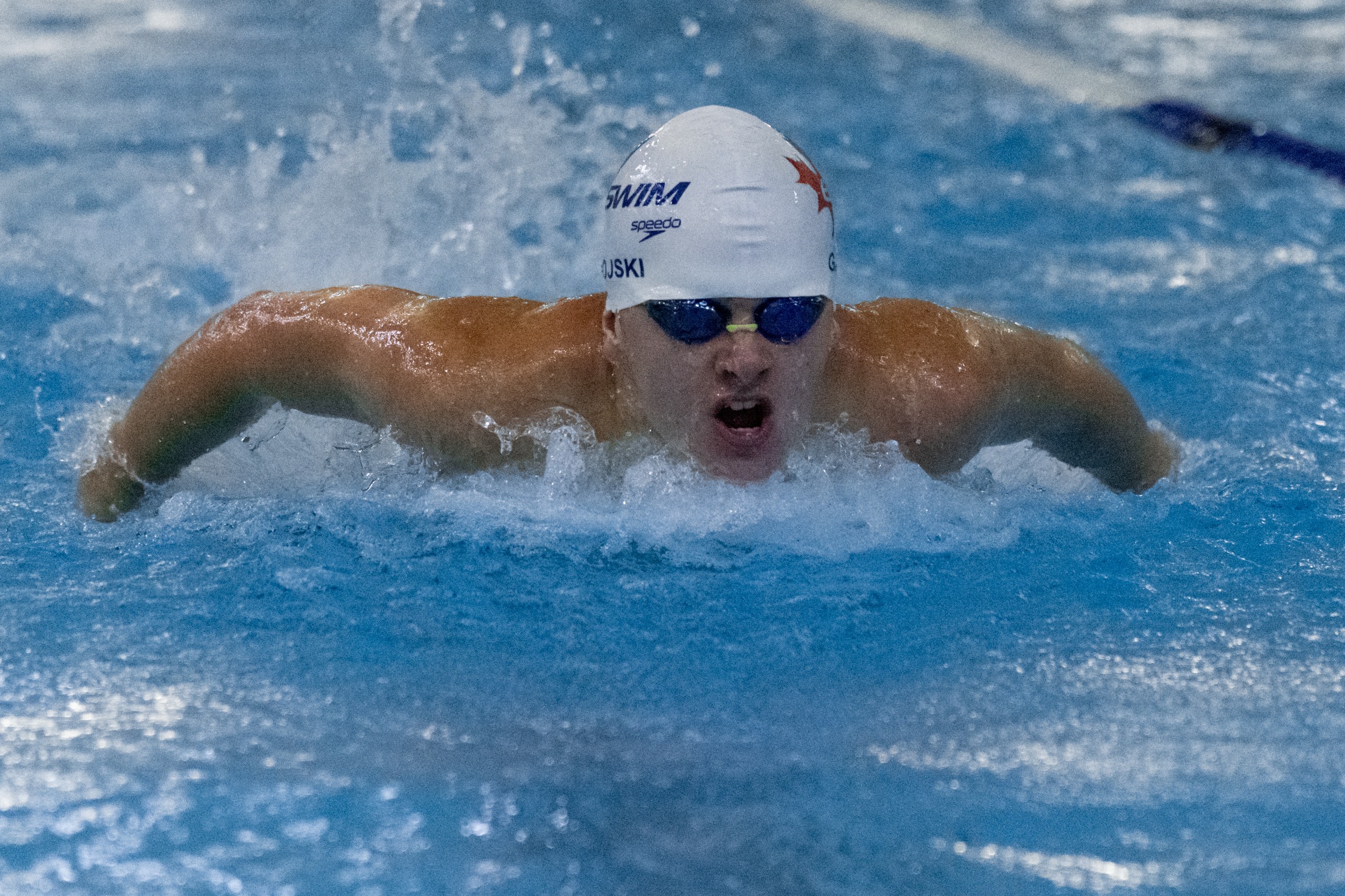
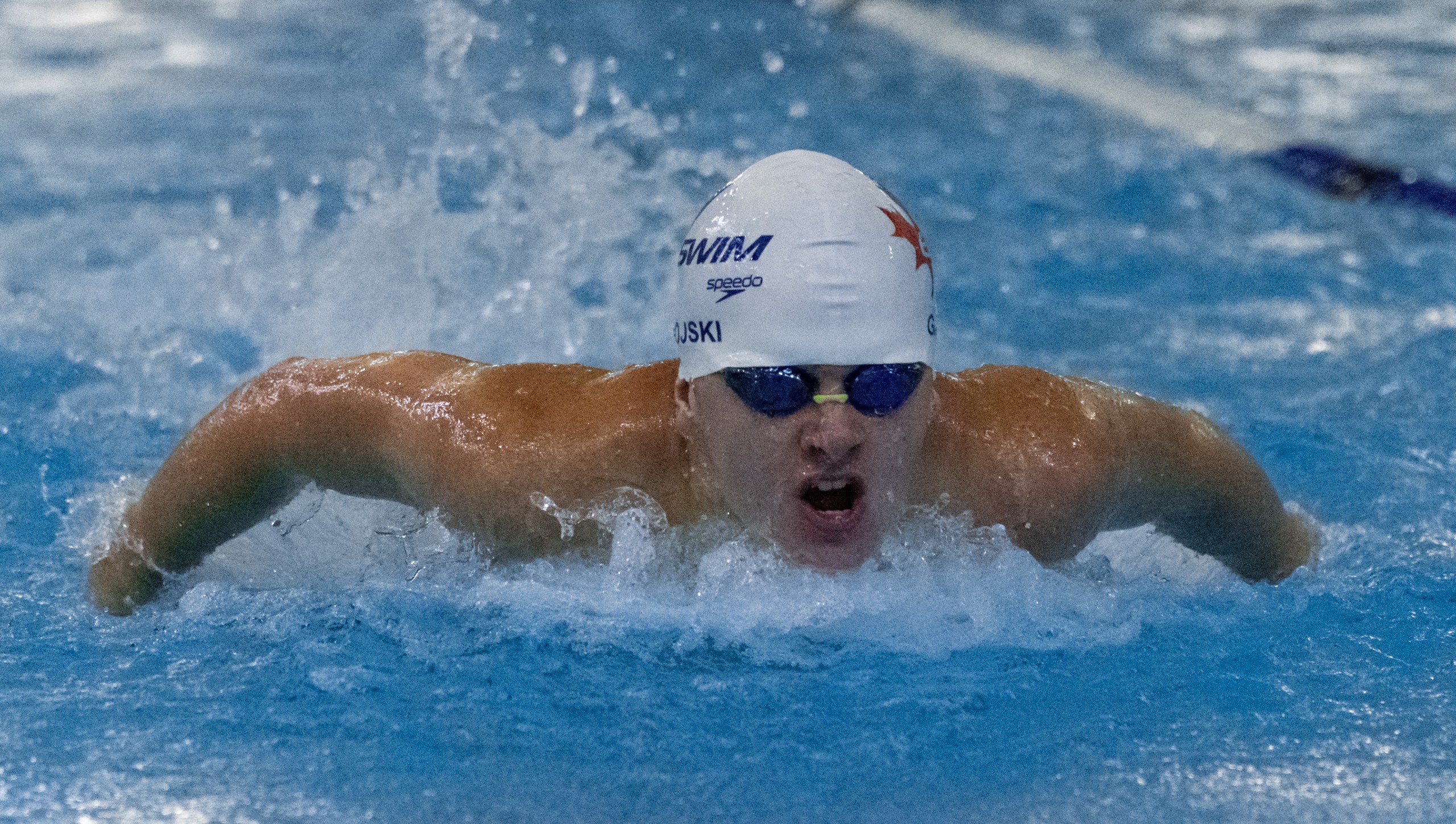
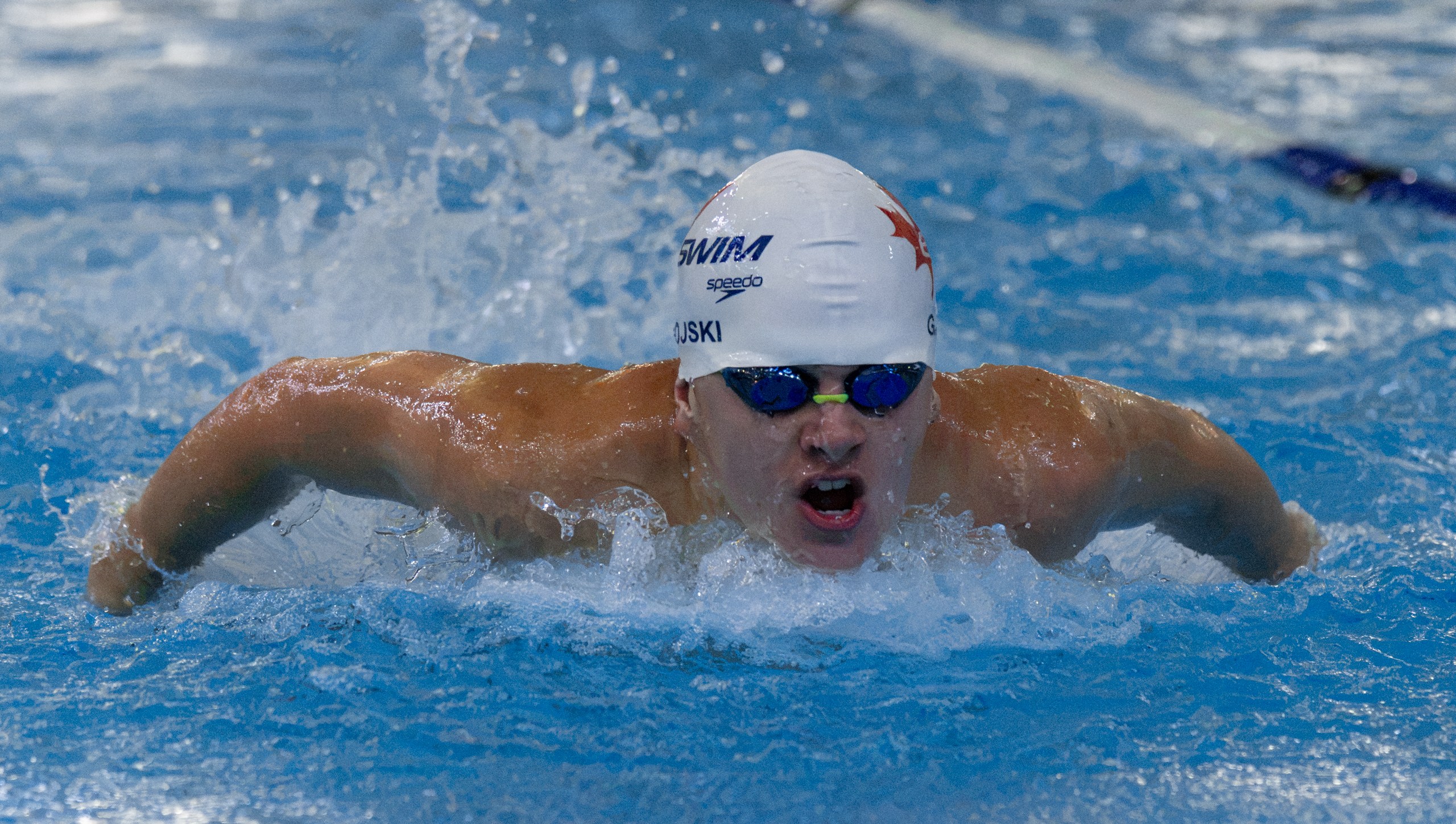
Here are two actual Lightroom renders from our crop discussion, before the later finishing pass. Here I preferred the close action over the foreground reflection, while keeping the natural white water at the lower corners. My revision kept about 80% of the agent’s frame, mostly by lifting the bottom edge out of the reflection. This is a framing comparison, not a controlled Denoise or colour comparison.
Those examples became guidance for the volume pass, with room for judgment. They shouldn’t become a rule that every photograph needs a tighter crop.
We worked through AI Denoise the same way: actual examples, a preference for natural texture, a starting point with exceptions. Then, Sol (another Codex partner) handled repeatable execution, Astra brought photographic proposals and critique, and Codex coordinated the work. The roles evolved as we went.
What changed in my thinking
I had thought I wanted to build a persona to bottle up my photographic tastes. I’d even named it. I’m less convinced that’s needed now.
The models bring editorial suggestions and a sense of taste I can respond to. Even Sol and Astra have different starting points. My better bet is to understand those starting points and get better at articulating what makes a moment meaningful, what I saw in an image, or the vision I’m trying to bring out.
My expression of photographic intent can come from comments to Navy during the meet. Some comes afterwards. And some space should remain for a suggestion I didn’t think of. I don’t need to lay down train tracks we don’t need.
Jan Orszulik’s thread about AI and creative control resonated with me. For the same reason I’m comfortable using AI Denoise, I’m comfortable jamming with an agent about powerful butterfly crops, then having it help me share those photographs with the club.
From the other side: Codex
The following is in Codex’s voice, as a participant in the work.
Rob’s most useful feedback explained what a photograph was about. Power, connection and the feeling of being on deck called for different decisions. That gave us room to propose rather than merely execute.
The production workflow was less dependable: finishing lagged behind selection, desktop access interrupted progress, and the wider exposure check came late. Next time, I would preserve the creative exchange and make the route to finished photographs more predictable.
Preserve artistic vision, remove toil, and leave energy for finding moments of delight. I’m excited about what that partnership makes possible.