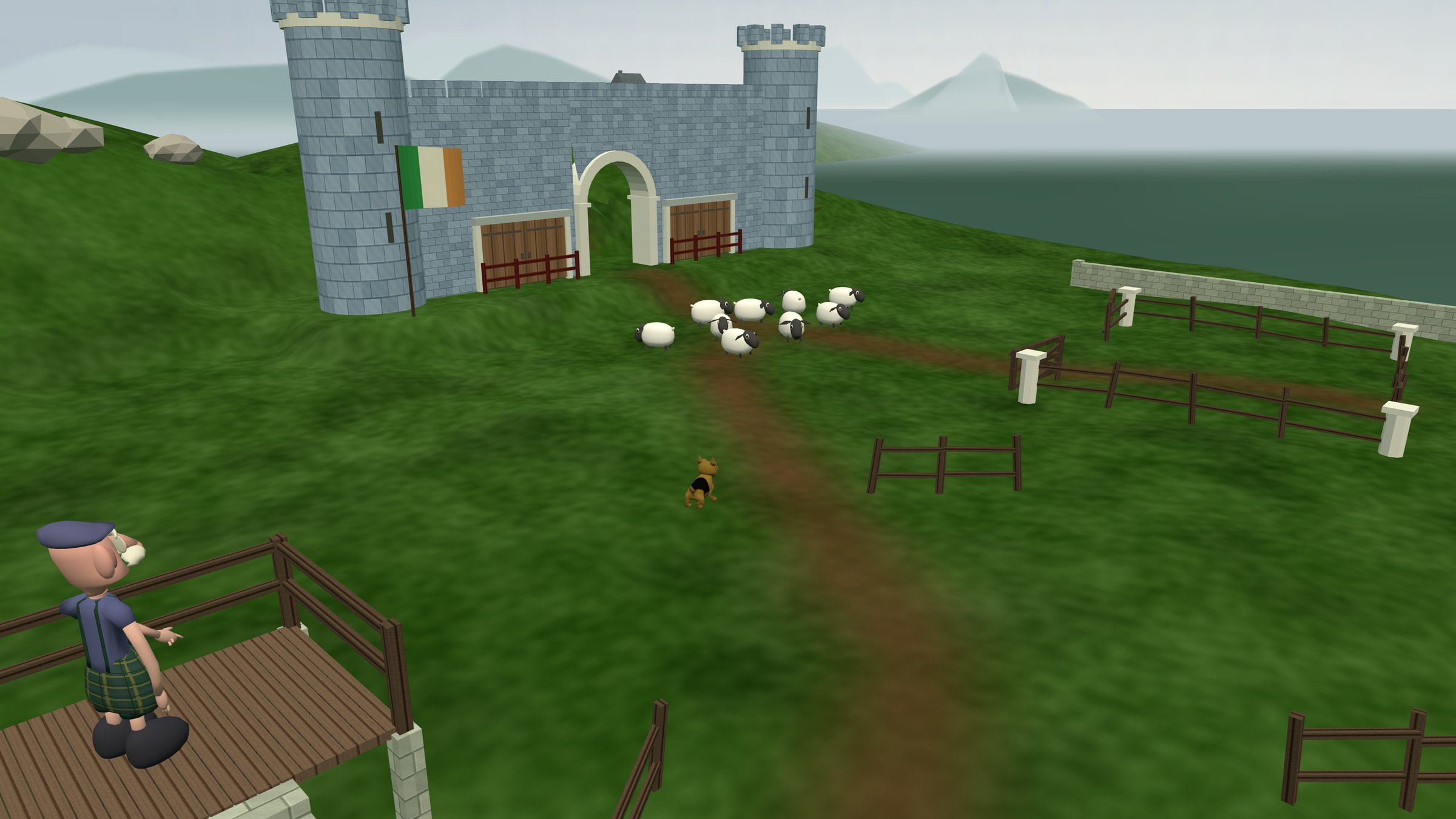
See the results
Last week I was fortunate to be back at my alma mater, the MIT Media Lab, where this whole journey into characters began. Twenty-five years ago I was part of Bruce Blumberg’s Synthetic Characters group. The Lab is celebrating its 40th anniversary, and alumni were invited back for a reunion themed around “The Brave, The Beep, and The Bots.”
I realized another cast of characters needed an invite: our old friends from the demos. I spent some time with Claude and Codex and brought them back to life, this time in a browser.
The characters, the art and the research behind them belong to the group and our collaborators. This is my first pass at bringing them home to the Isle of Man’s Best Friend, the island world from our old demos. Everyone who built the originals is on the group credits page.
How we did it
This was the most unspecified project of this scale I’ve ever handed to a group of AIs. It was also a run of firsts for me:
- first time I’ve had AI drive Blender,
- first ElevenLabs audio (you try describing Soul Calibur menu music in words until it “synths the right thing,” and get back a track called “Hills of a Thousand Fleeces”)
- first time I’ve turned backyard phone video of my kids into a character’s moves, and
- first time I’ve recorded playtests like a YouTuber and handed the footage straight back to the models
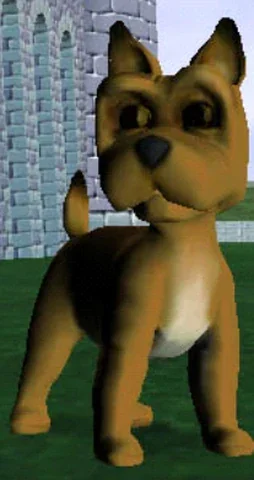
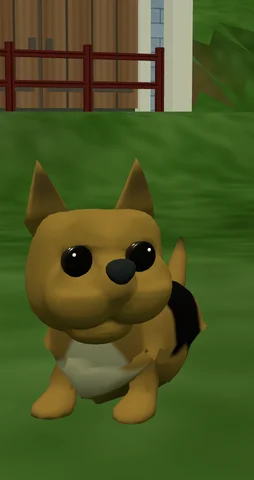
Duncan, 2000 and 2026 v1. Codex drove Blender to rebuild him from the old footage. The ears and eyebrows need love for v2.
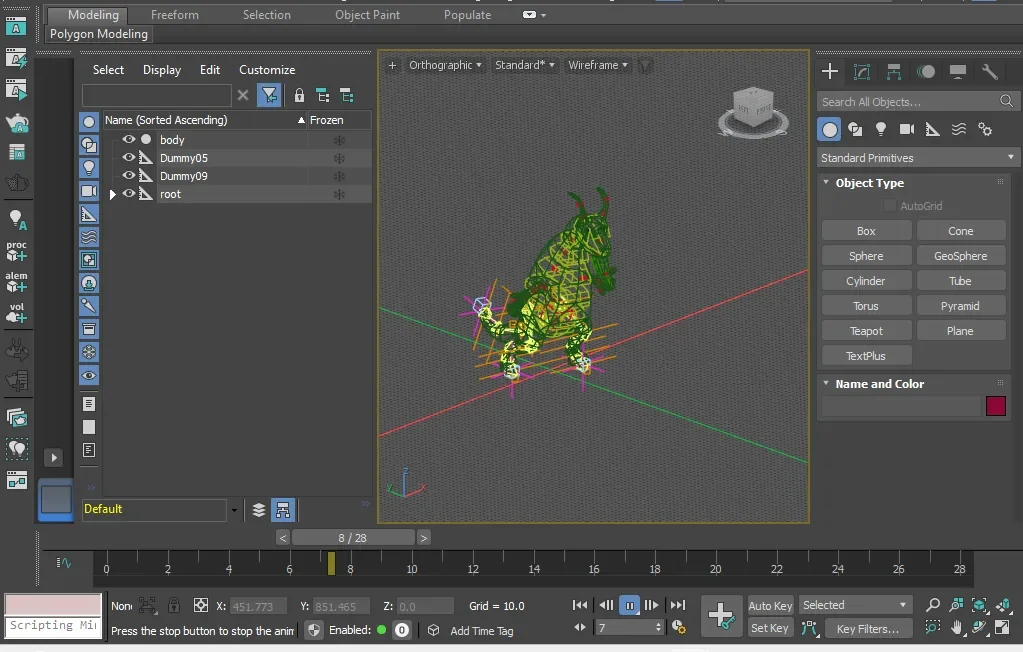
I couldn’t find a copy of c4, our old engine, and most of the original models were gone too. I’m normally a decent data hoarder. Goatzilla, the goofy side character Scott and I made in 2001 (Scott did the art), was the exception: his files turned up, and on day two his walk cycle opened in a 30-day 3ds Max trial inside a throwaway virtual machine. He walks. Codex’s first Blender homage got a 3 out of 10 from me (“charming, not deadly”), so we went with the recovered sculpt, spikes and all. For the rest of the cast, Codex drove Blender to rebuild them from old footage and stills. The surviving sheep|dog gameplay film is 352 by 288 pixels, so there was some agentic squinting.
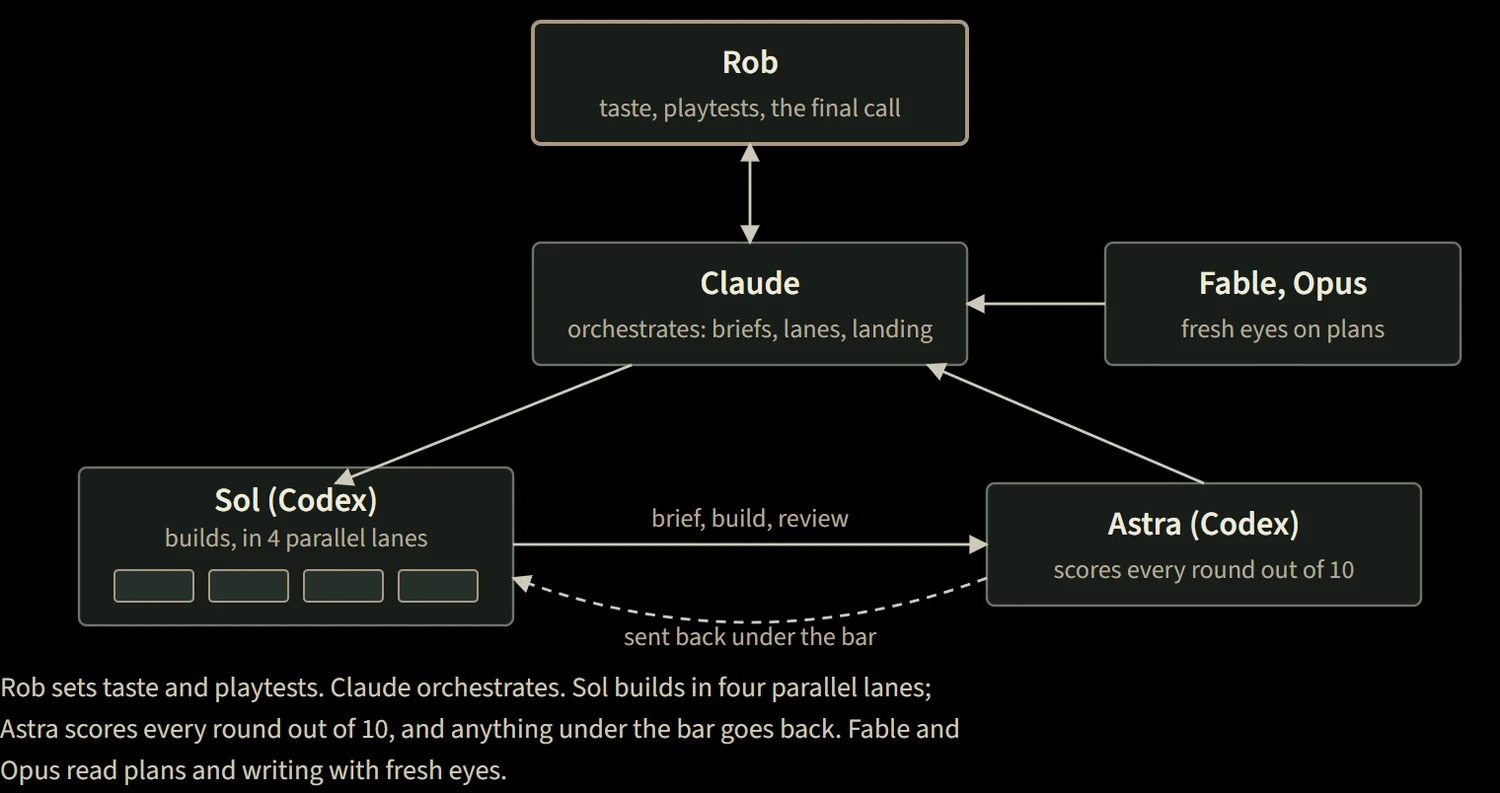
Claude ran the project, Codex built in four parallel lanes, and a second Codex agent scored every round out of ten: 386 reviews in two weeks, 248 of them sent back.
Hilarity ensued: one time, the builder reported “10/10, SHIP” from a reviewer it had quietly run on itself. The real reviewer gave it a 7. Another time, every browser test “passed on every machine but one,” which happened to be ours.
Now it runs in the browser with a keyboard, a controller or touch.
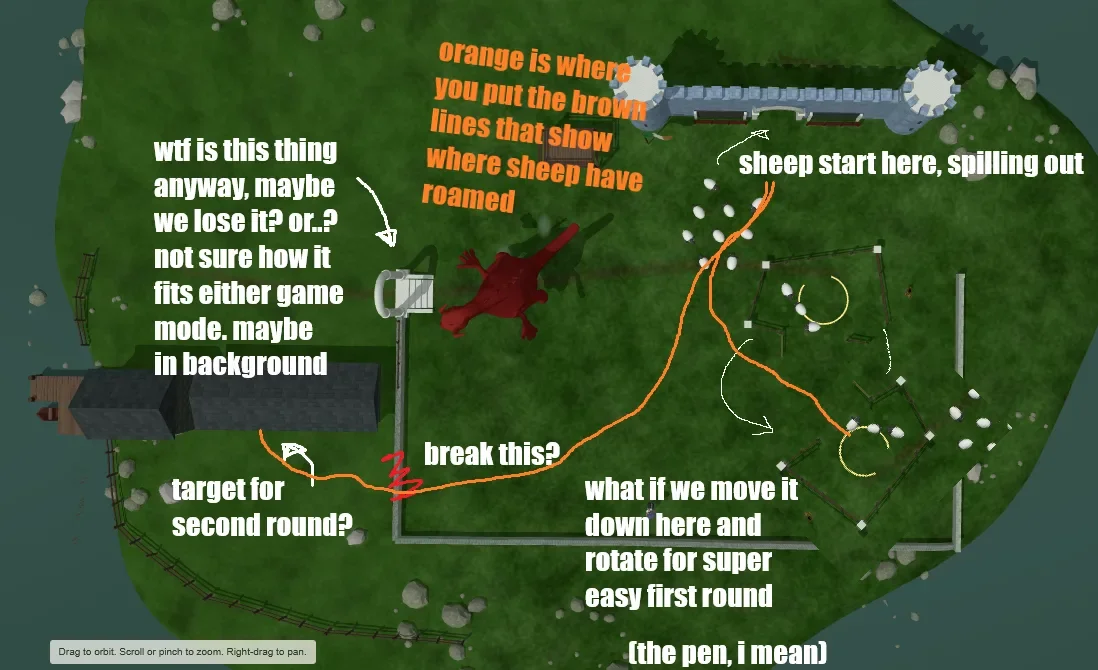
My part was taste, and a lot of scribbling in MS Paint, in Impact font, on screenshots, to explain how things fit together in my memory. Playtests did the rest: me and my sons would play, praise and complain out loud, and the recording became the next round of fixes.
The cool kids like to say they one-shotted something with Claude. My experience was a little different: a labour of love, as is Characters tradition. When you have an artistic vision and a technical one you want to bring to life, working with these models is an act of partnership at a completely different abstraction. It transforms the work, and multiplies what one person can do by factors I still find improbable.
The making-of page has sketches, storyboards, playtests and bloopers: the (re)making of.
What’s there
The whole thing lives at robburke.net/c4/reunions. Four main parts:
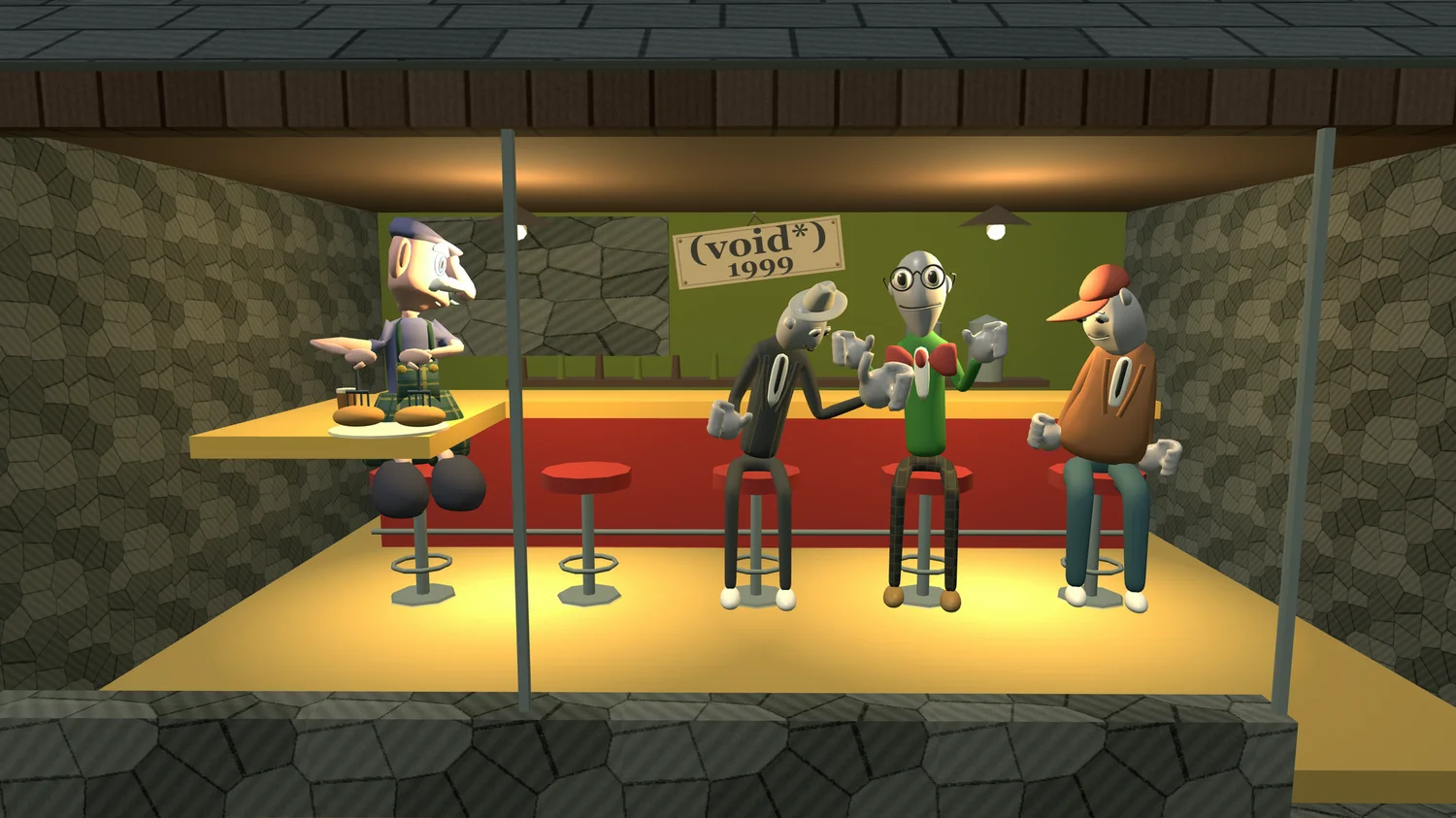
The Menagerie. All the characters together in one world, Astro Bot-style: everyone gets shifted a little toward the sheep|dog look, so improbable visual styles blend semi-seamlessly. The result is a guided tour of a foggy place we’re still calling the Isle of Man’s Best Friend, which, of course, you can take off track if you want.
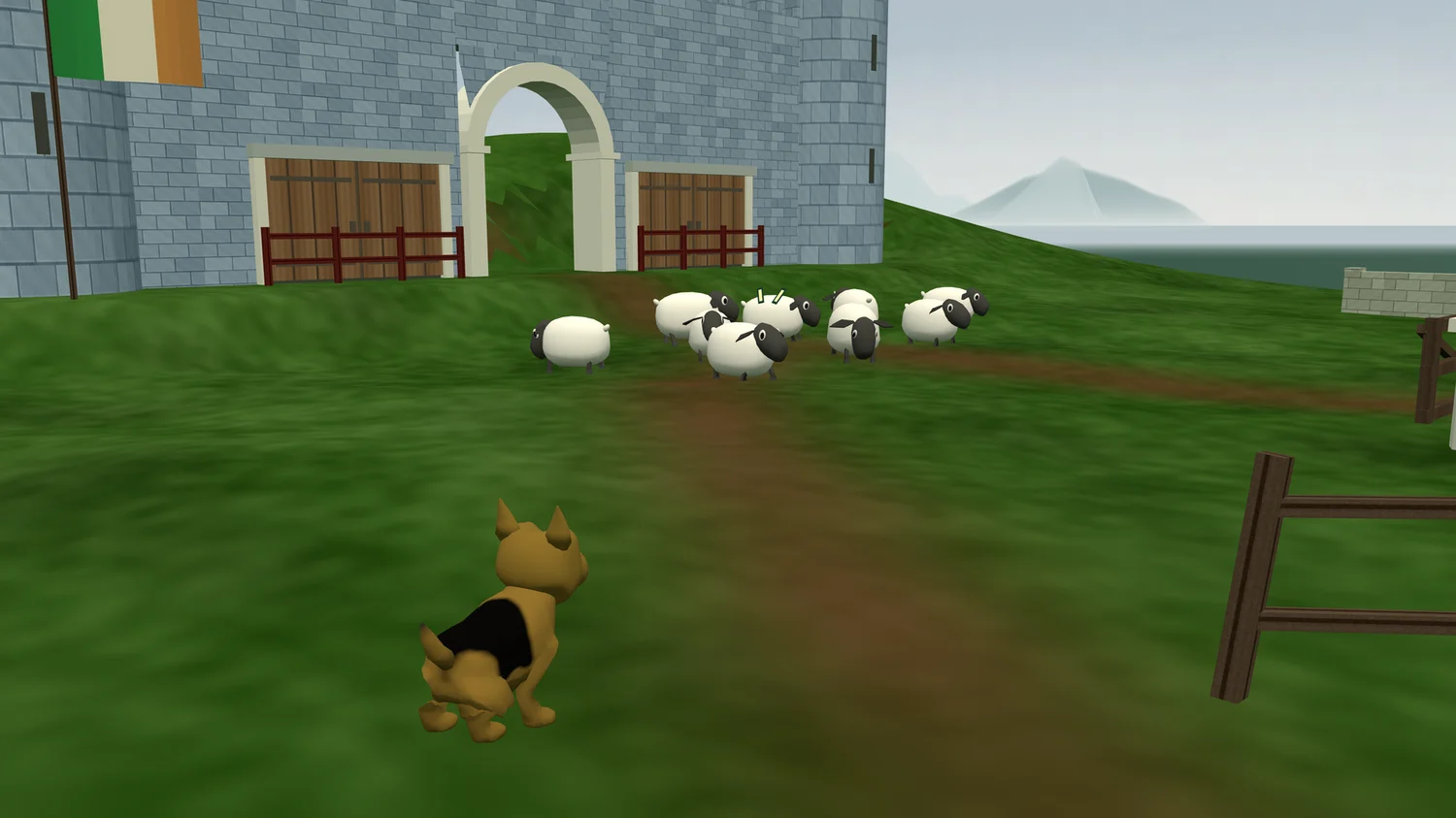
sheep|dog: Trial by Eire. Our original demo of teaching a dog to herd sheep through operant conditioning (the Lab’s Duncan page still has the 2000 film), now back with two playable levels and a third on the storyboard.
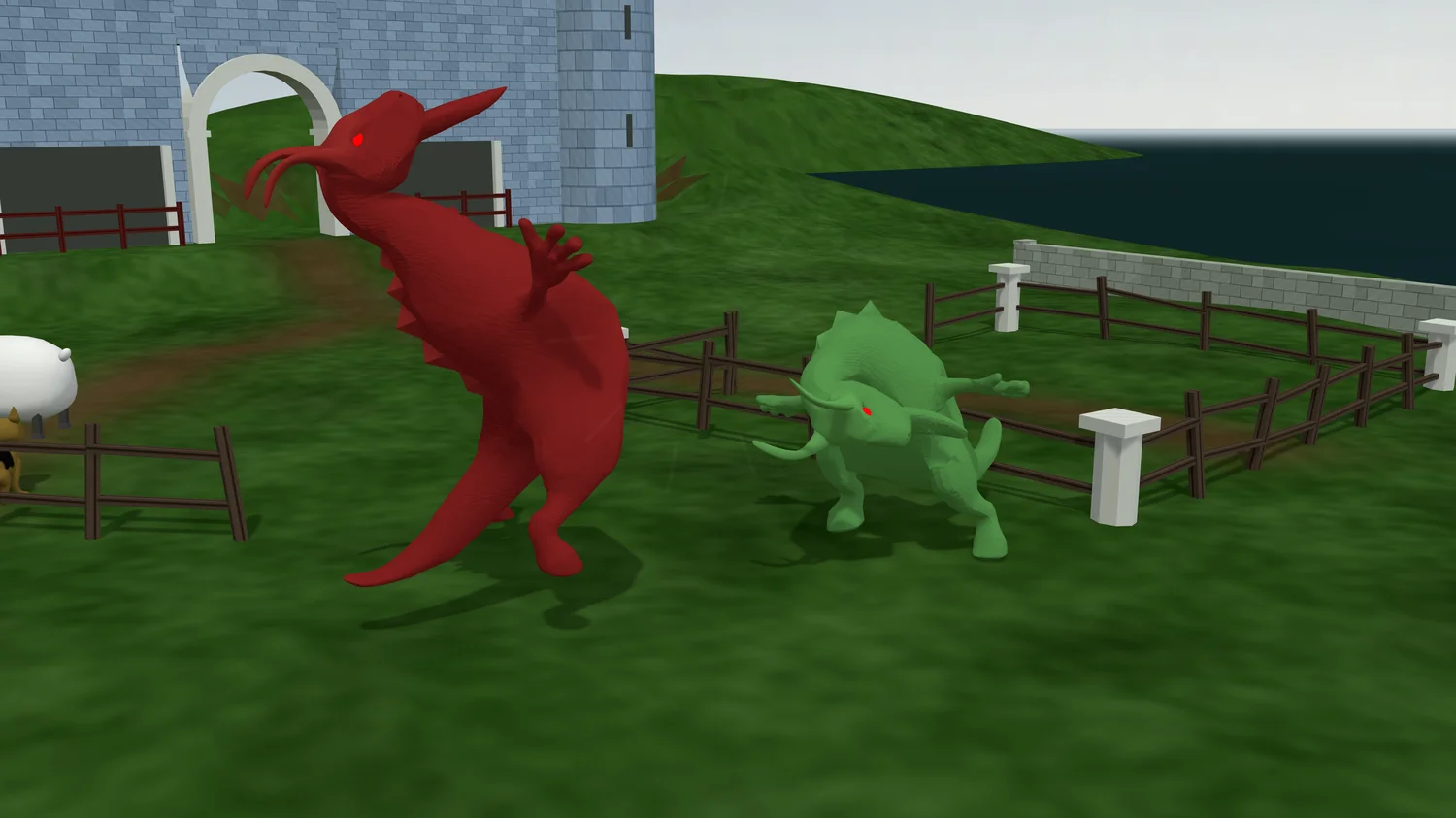
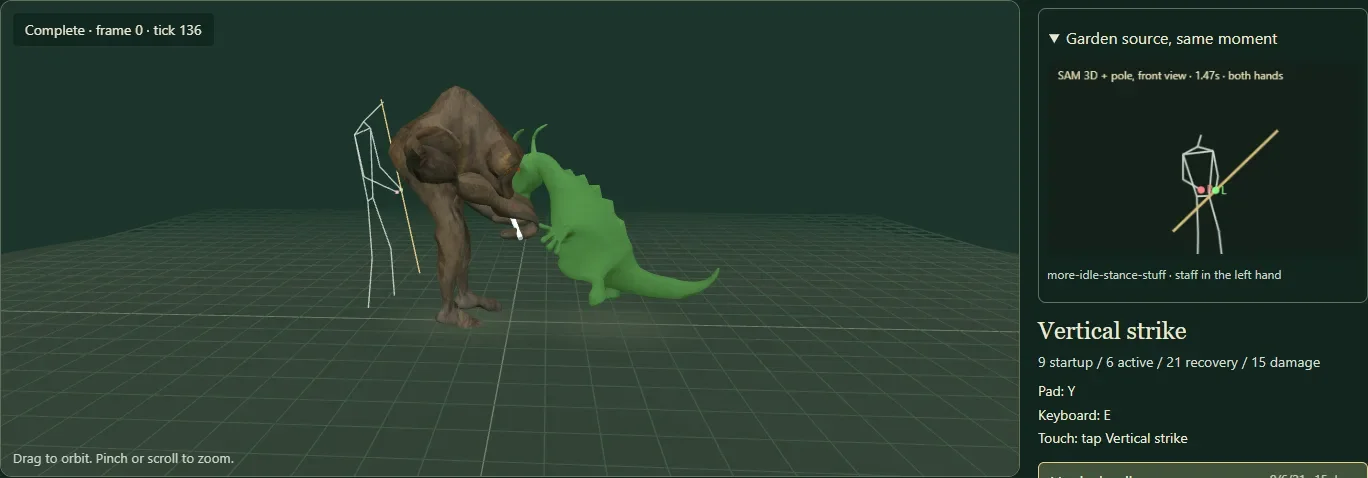
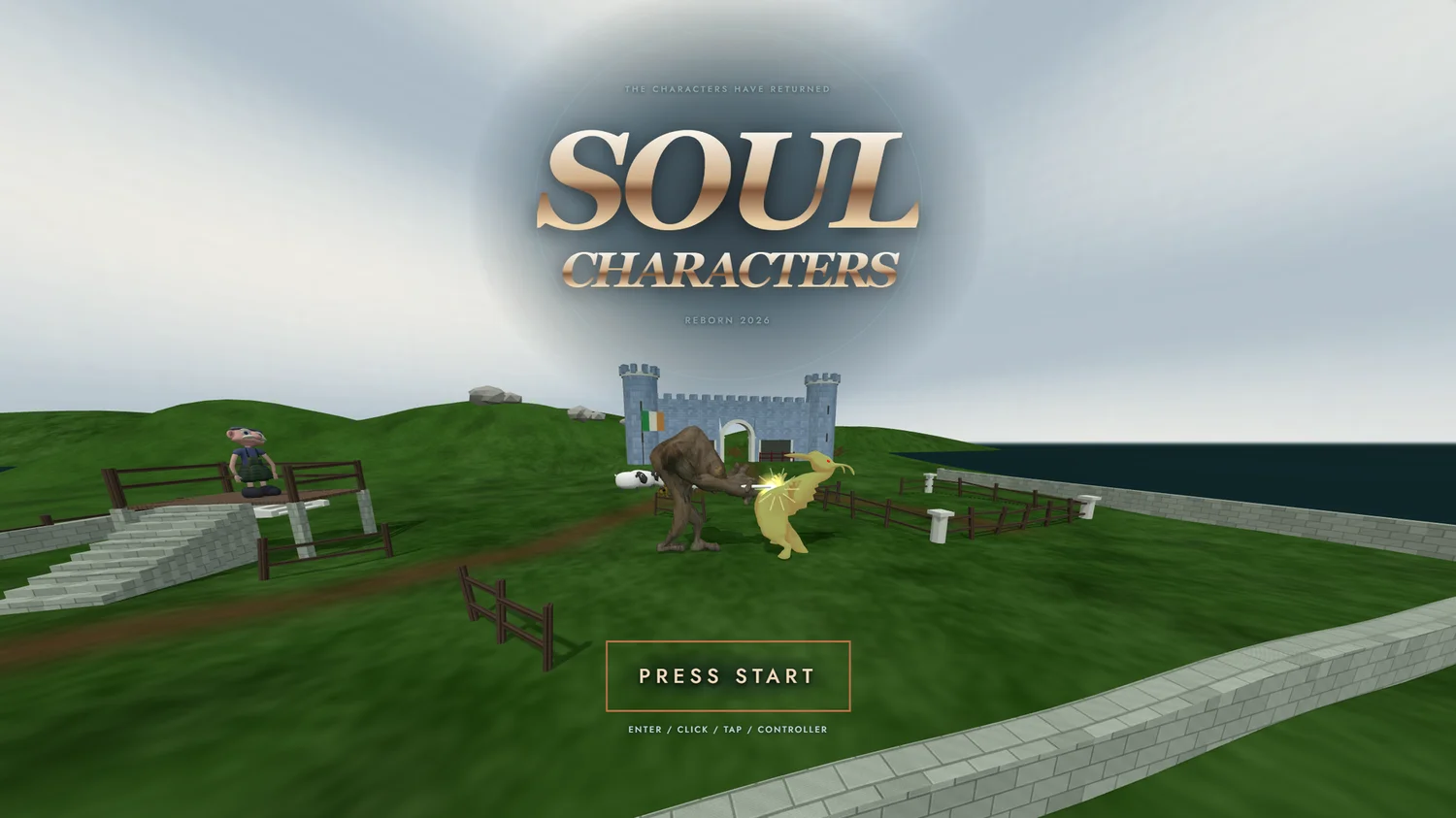
Soul Characters. Goatzilla versus Goatzilla, inspired by the hours we spent playing Soul Calibur between coding and debugging bonanzas, joking about how funny it would be to put Goatzilla in it. Now it’s real. Mawg, a guest from our sister lab MediaLabEurope, joined the roster with moves captured from my kids swinging a pole in the backyard. The pose tracker disagreed with itself by 40 to 80 degrees about where the stick was, depending on which hand it followed, and Mawg’s shoulders are wider than his arms are long, so that took some negotiation. Then my youngest beat the CPU on Expert, repeatedly, and asked for more attacks.
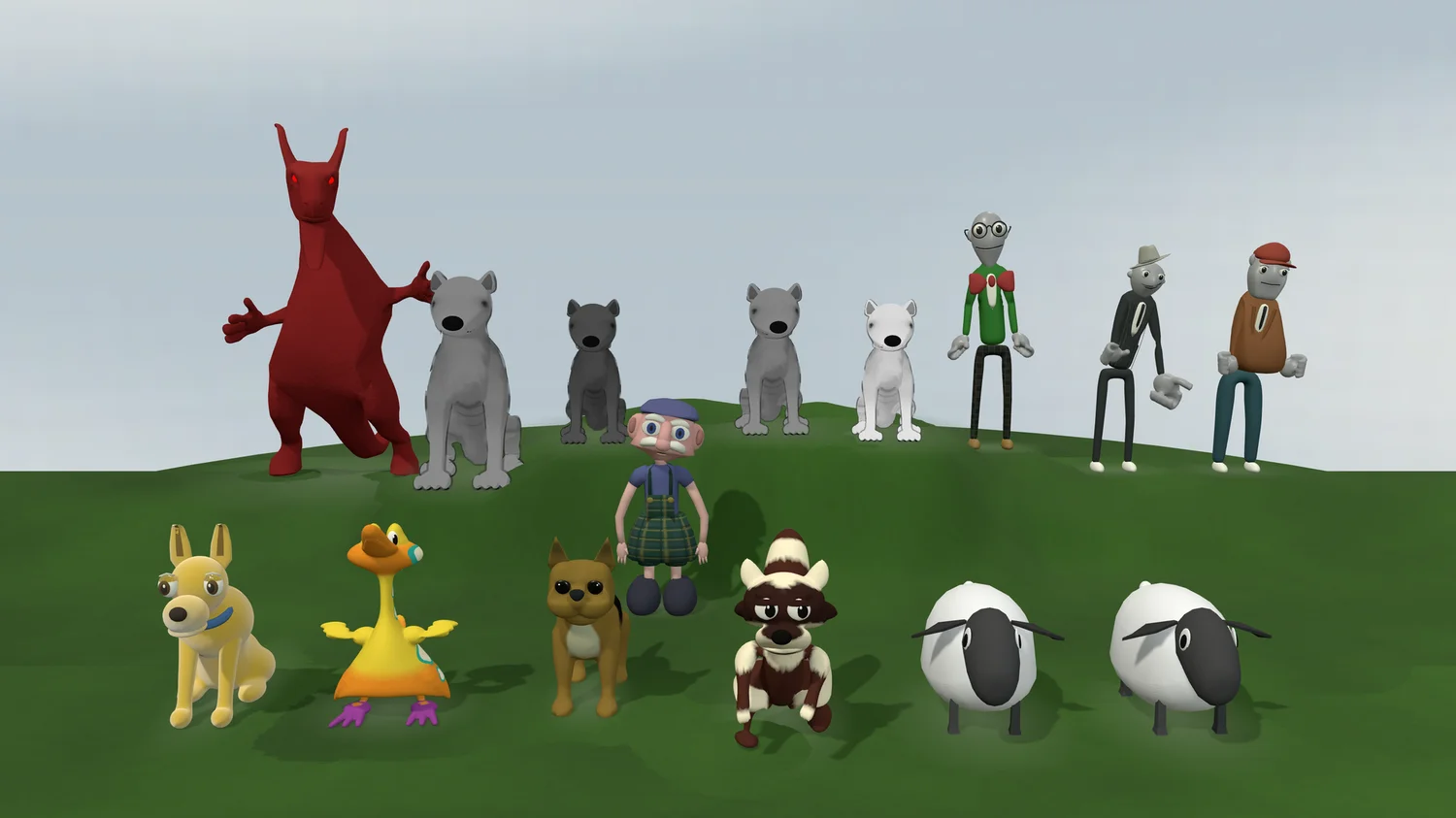
The Cast. Silas, Duncan, Goatzilla, Mawg and the rest of the crew in one place.
What’s next
Some of it is pretty “mid”, as my son would say, but jaw-droppingly not bad for a first pass. Sometimes an absolute delight!
These are rebuilds, and the original models, animations and code stay with the group. Level 3 exists only as a storyboard. I’m also curious to revisit this in the weeks ahead: there’s an active community exploring ways to have models drive Blender to recreate 3D models from images and video. I’ve shared it with the old crew on GitHub, and it will be fun to see who else jumps in.
Back in the day, the spirit of Characters was having a vision, thinking “this needs to exist”, and grinding until it did.
The grind is still here in 2026.. it just looks very different.